The Wonderful World of Skwedges
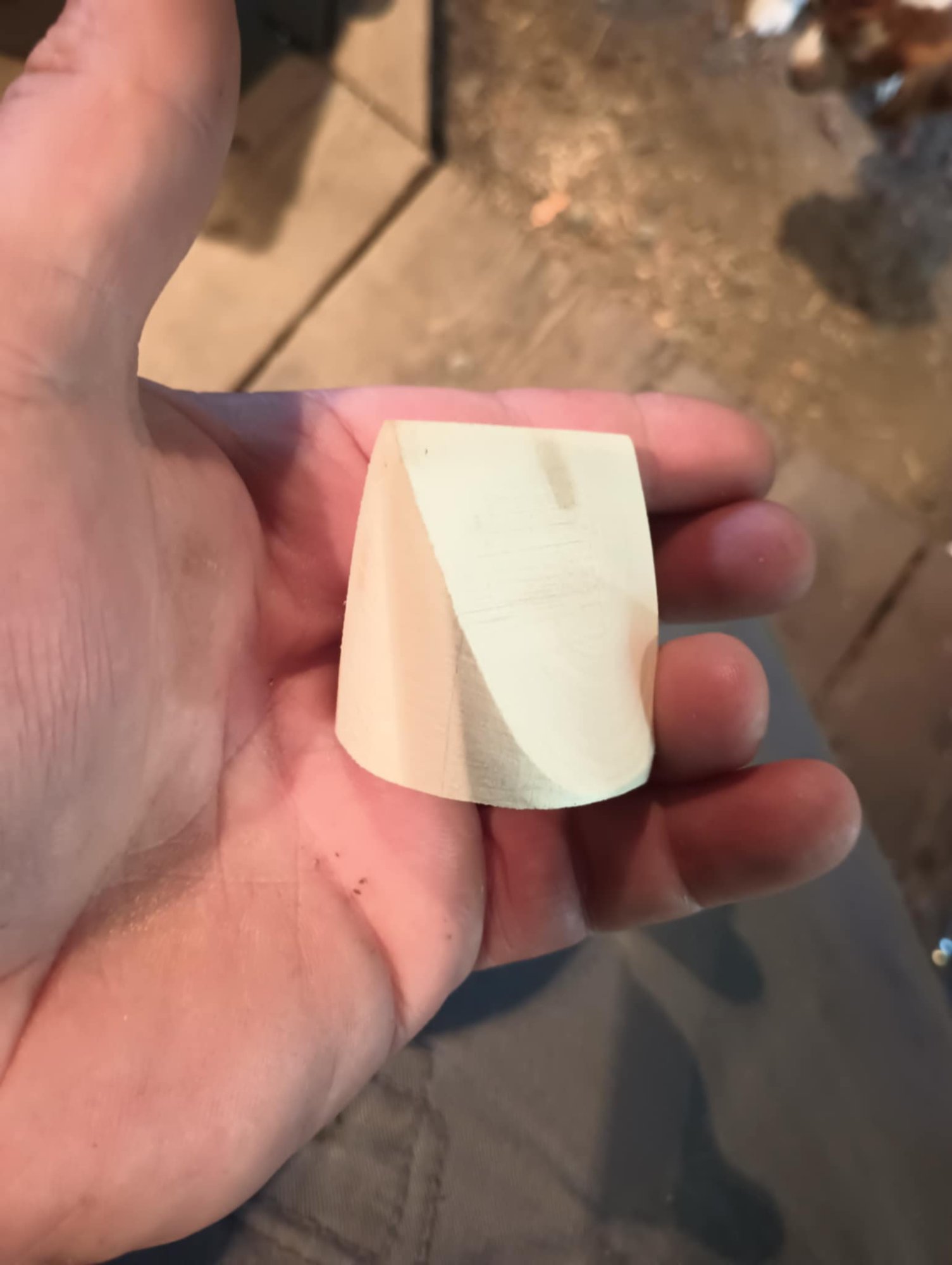
Pick up a standard tube of toothpaste. On one end is the screw-off cap, the other is where the tube becomes a line. The shape where the tube becomes a line is a skwedge.
You have seen or held this approximate shape multiple times without thinking about it.
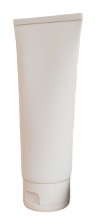 Toothpaste tube
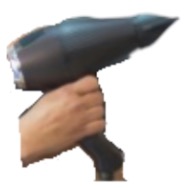 Hair dryer concentrator
 Otter Pop
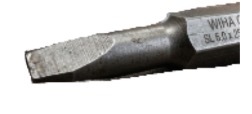 Drill bit
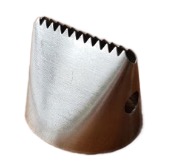 Pastry tip
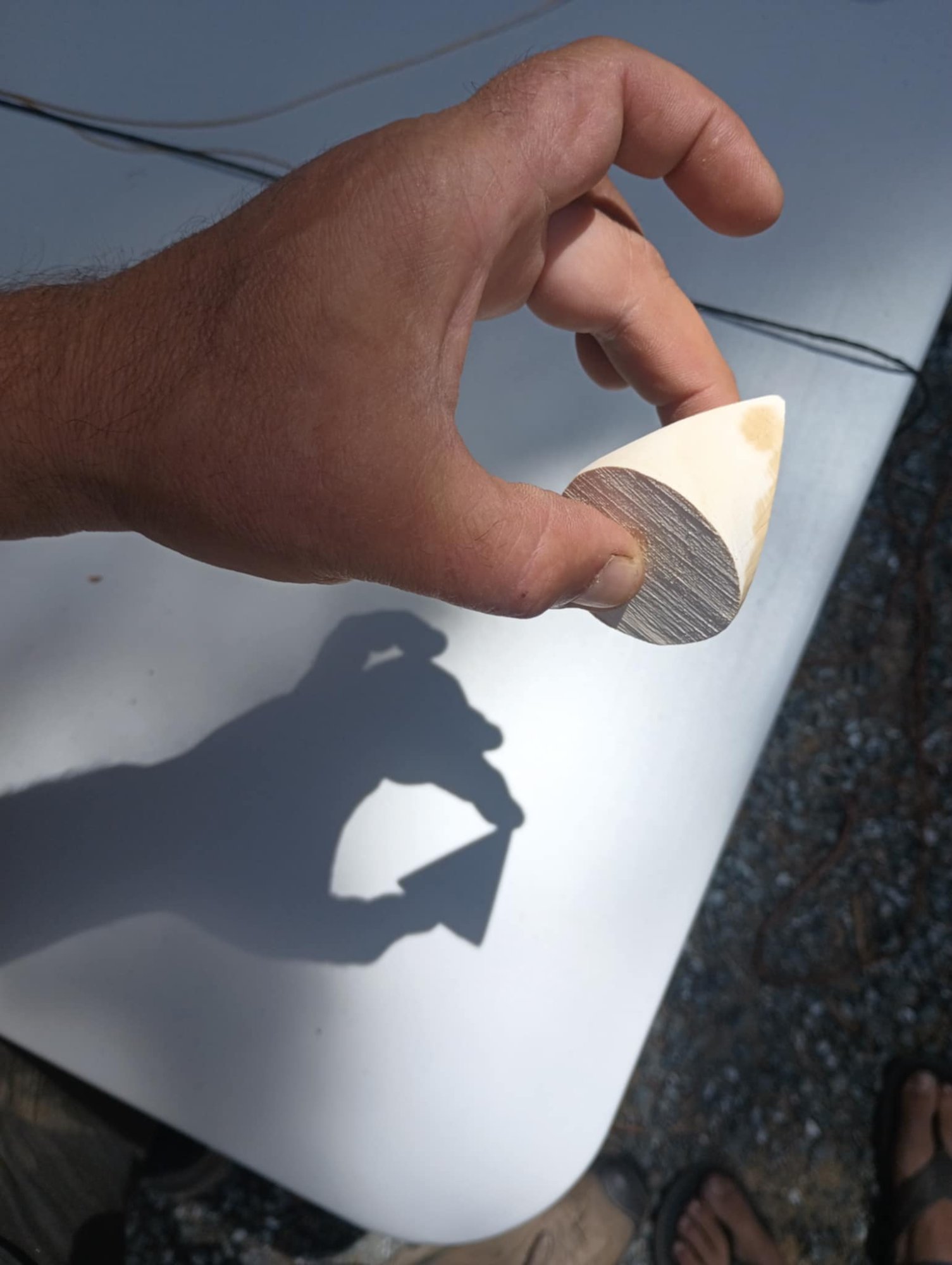
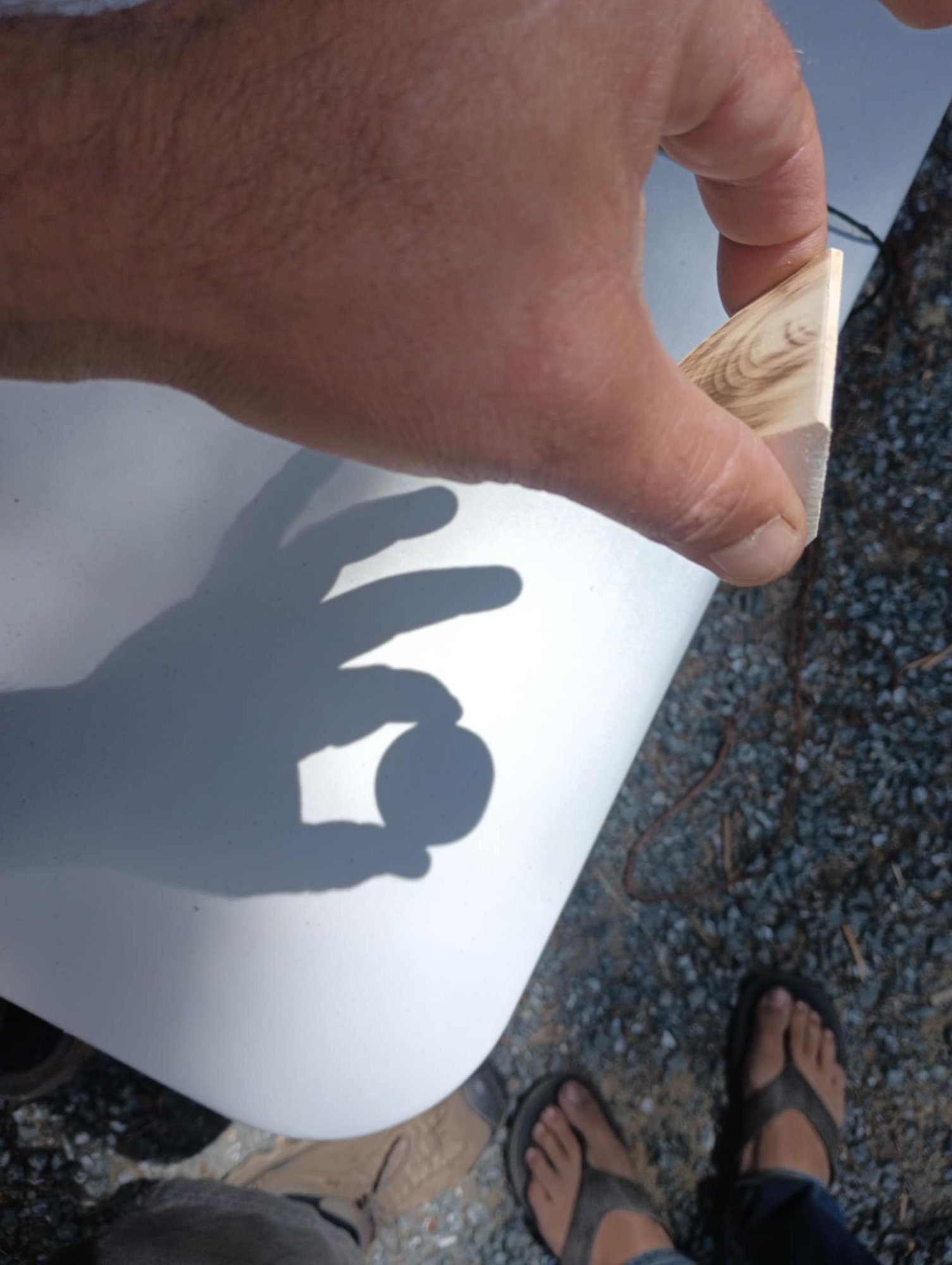
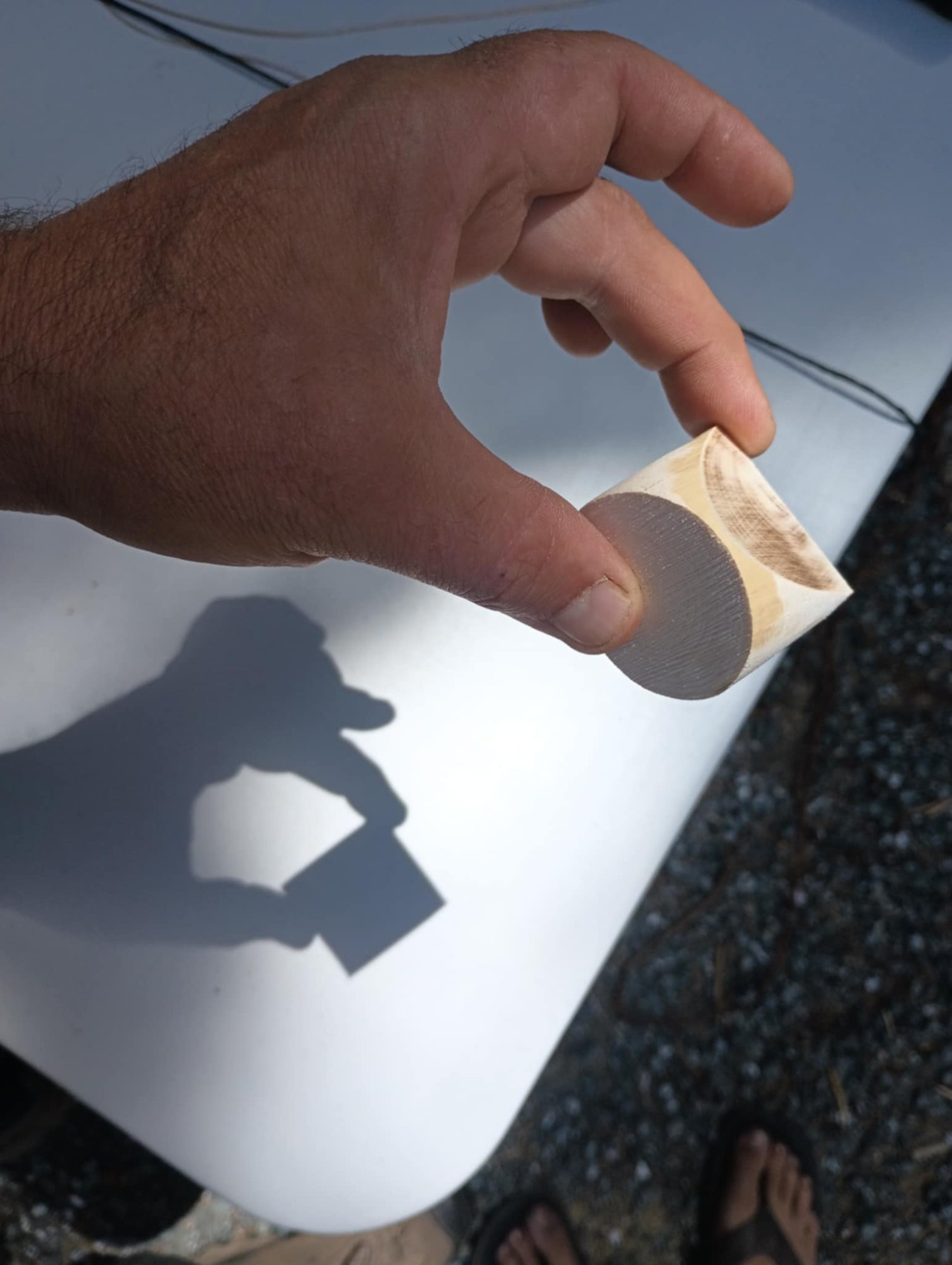
Over the centuries, different people gave different names to these similar shapes. Guarino Guarini wrote about "cones terminating in a line segment" in 1671. John Wallis in 1684 called his version the conocuneus, meaning "cone-wedge." In 1790, Peter Friedrich Catel created a puzzle that challenged buyers to find one solid shape that could pass perfectly through a circle, triangle, and square hole. Martin Gardner in 1958 repeated the puzzle, calling his version the "cork plug." By 1994, computer vision had identified a broader construction, the "Visual Hull," within which the skwedge appears as a special case. The indigenous language Miluk, from the Oregon Coast, made the term ptsi·nɬ, combining its ancestral terms for three, psənɬ, and the word for wedge tool, tsi·nɬ, to represent a specific type of skwedge. Yet none of these varieties had ever been classified as a family of shapes.
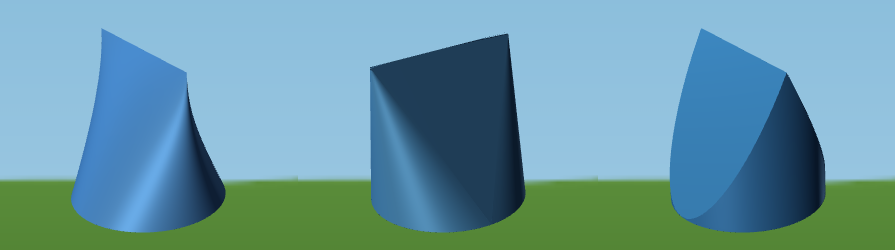
In 2026, a set of companion papers gave these solids their mathematical foundation for their new skwedge home. These papers describe three named constructions within an infinite family of circle-to-line lofts. The Skwedge proportions used here are base diameter = height = apex length, with the loft inside the prescribed cylinder-and-wedge envelope.
Think about triangles. There are triangles where all three sides are the same length. Triangles with one square corner. Triangles where one angle opens up wide. People worked out names for all of these because once you name something well, you know things about it right away. An equilateral triangle? All angles are 60 degrees. You did not have to measure.
The skwedge works the same way. Once you have names for the three variations, you know things about each one automatically: which holds the most space, which casts a specific shadow, which is built from straight lines. The name is the beginning of the knowledge.